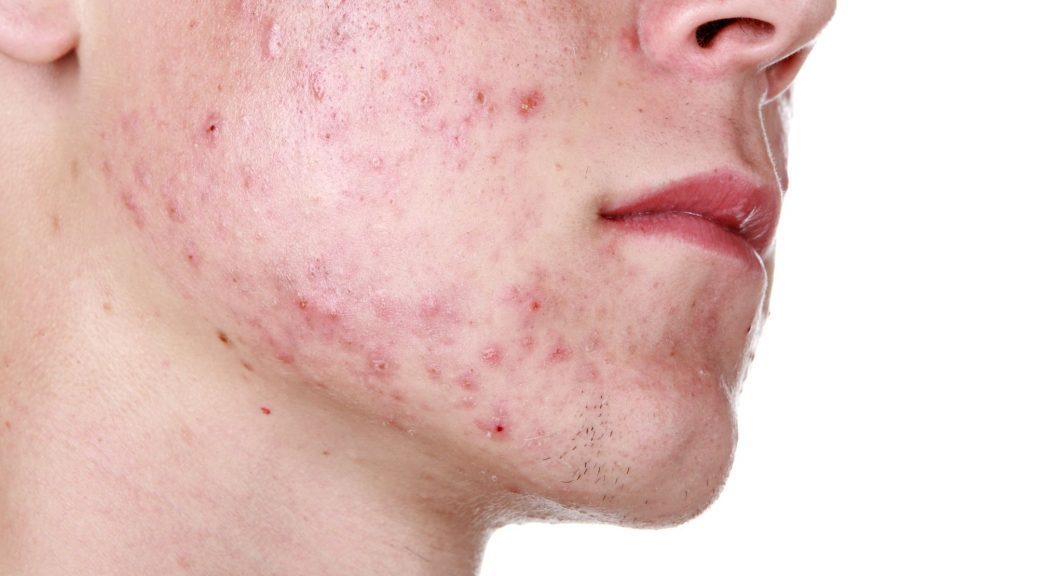
Acne is a pain, no doubt about it. It looks bad, it hurts, and it completely ruins your self esteem. While many store bought acne treatments are effective, they can be very expensive. The strongest one, now discontinued due to medical reasons, was Accutane. And ones like ProActiv are only $20 to $40 a month, but you have to keep on buying it, adding up over the months. Many at home methods are very cheap and easy to do. Here’s the best ones to start trying.
Facial Steaming
This a great one to use, and it leaves your skin feeling fresh and new. But it can be a little difficult to do at first, though well worth it in the end. Here’s how to do it.
Things You’ll Need
- A small pot
- Salt, chamomile tea, or green tea
- A full size towel
- Pot holder
- A straw (optional)
- Time, patience, and be able to breath hot air.
Start by boiling a small pot of water. Bring it to a rolling boil. While you’re waiting for it to boil, go wash your face with cool or cold water. Once it is boiling, you can add some extra things to it. Salt, chamomile tea, or green tea are all great.
Now put the pot holder down on a table, or wherever you can sit for a while. Put the pot on it. Now it’s going to get hot, so brace yourself. Put your face about 4 inches over the water, and the towel over your head. Make sure that the towel is fully covering you, and there are no openings where the air can escape. This is very important, the more heat that escapes, the less effective it is. If you can’t handle breathing the hot air, take a straw, and put it so you can breath outside the hot air. Stay under the towel for at least 10 minutes, at most 30. You don’t your face to get too dry. Do this 3-5 times a week. Also, I find that once the water cools down a bit, exhaling directly at it will keep a good flow of hot air aimed at your face.
Don’t Touch Your Face
This is very hard to do. Whether you want to rest your head, have an itch, or simply want to ‘check’ on your acne. Touching your skin will cause micro trauma, and therefore induce redness and inflammation. Plus your hands, even if you just washed them, carry dirt and bacteria, causing your acne to get infected. If your acne gets infected, then white heads will form. The most unsightly of acne. Do yourself a favor, and control the urge – choose the healthy path.
Baking Soda
Making a baking soda mask can also be effective for getting rid of acne. It helps cleanse the skin, and remove excess oil. Plus it will make your skin feel extra soft and smooth.
To make the mask, put some baking soda in a dish, and then add some water. Only add small amounts of water at a time, you are trying to make a paste out of it. Once you have achieved a paste, put it on your face. Be liberal, and apply a good amount. Leave it on for 10-15 minutes, and then wash it off with warm water. Be careful, once it dries it will fall off in a dusting quite easily, especially on your clothes. Put a towel over your shoulders if you are worried about this.
Oatmeal
It may sound weird, but oatmeal can be useful for more than just eating. Start by simply making up some plain oatmeal, not flavored. Once it is ready, let it cool. After it is cool, take a spoon, or whatever works for you, and apply it to your face. Make sure that it is fully covering your acne. Leave it on until it is slightly crusty on the outside. I recommend rinsing it over a sink with a sink erator, if possible. If not, use a paper towel to get as much off as you can, and then rinse the rest over the sink.
The oatmeal helps soak up excess oils from your skin.
Ice
Ice is used for a lot of things. One of those things is reducing the redness from pimples. Simply take an ice pack, wrap it in a paper towel, and then hold it on your face. Hold it on each area for a few minutes. You should see some change in the amount of redness pretty quickly.
Use these methods daily, or as recommend. You’ll get rid of acne in no time at all, and live a clear life.